Teaching About Toxins
Kelley Dawson Salas
This article was feature in the Rethinking Schools issue titled, Student, Toxins, and Environmental Racism. This article interested me because it was one of the only articles I could find that addressed the physical health of students.
The author first writes about her students who were ill. One student was missing school due to asthma, another was struggling with understanding, processing, and recalling information due to lead poisoning, and others were unwell due to diabetes. She was also concerned about other children that were overweight. Her concern went deeper than just the health and wellbeing of her students’ individual problems. She states that these “are public health problems that plague my city (and others in the United States) and that disproportionately affect poor people, people of color, and other populations that are concentrated in urban areas”.
The author decided to teach a unit on public health problems. She focused mainly on asthma and lead poisoning. She taught the students about the signs and symptoms but wanted the lesson to delve deeper. She “wanted them to know that these diseases plague some communities more than others because of environmental and economic injustice”. One of the statistics she used was that “seven percent of children in the United States suffer from asthma, but in urban areas the rate shoots up to 14 percent-twice the national rate”. After learning about asthma triggers, the students were able to come up with possible reasons for these statistics such as more factories in cities and more traffic polluting the air.
In the portion of the unit that covered lead poisoning, students learned about the paint in old homes causing people to get sick. Many of the homes in cities have older paint that may be peeling due to lack of income to fix the problem. Newer homes in suburban areas are less likely to have lead paint.
As a result of their lessons, the class made several changes to their classroom to minimize asthma triggers. They cleaned more often to have cleaner air, removed the carpet, and swept more to remove dust. These classroom changes were a good way to connect the lessons to a real-life situation, but the author states that in the future she would like to enhance the lessons to help the children make a connection to air pollution and their community. She summarizes her intention of the lesson by saying, “Their illnesses are not their fault. The environment they live in is sick-and that is not their fault either. Someone has to make a change in our community and in our environment, so they can be healthy. Why shouldn’t they help make those changes?”
I love how this teacher is teaching her students to care about their health and take matters into their own hands. We need to stop only treating symptoms. We need to find the causes and eliminate those. This article interested me because I see so many students who suffer from asthma. I would love for them to be able to delve into a project like this to really understand their disease and be able to teach their parents more about it.
The website for American Academy of Allergy, Asthma & Immunology has a lot of resources for students.
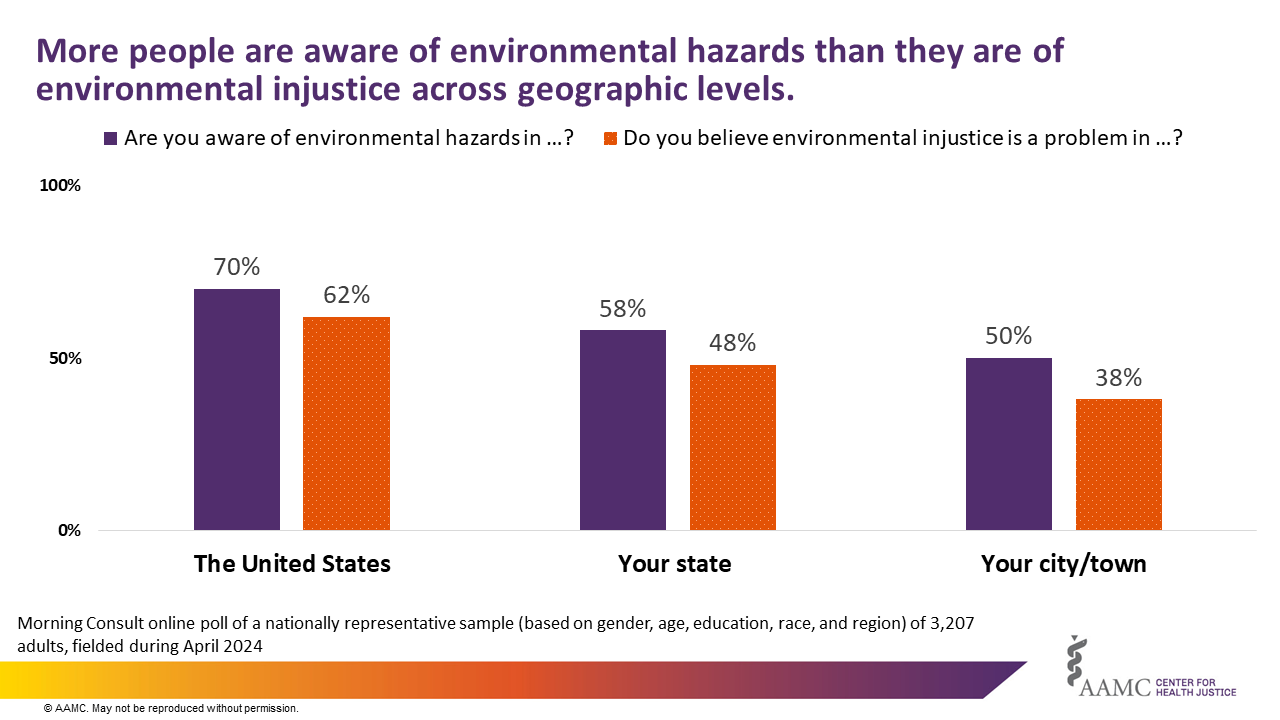
This is an interesting article about the lack of environmental justice in the U.S. Many people are aware that there are environmental hazards but not as many are aware of the environmental injustices.


I absolutely love this blog. As a nurse from an inner city school this hits home. Its truly unfair the circumstances that some kids are born into. However, its important to teach them so they can do whatever is in their power to make changes.
ReplyDeleteI liked how the teacher helped students see that their health issues weren’t just personal, but connected to bigger environmental problems. It’s powerful that the class made real changes and learned they could be part of the solution. Teaching like this really helps students feel seen and heard.
ReplyDeleteExcellent article! It feels really relevant to so many nurses in this class. Great way to bring a justice issue to health of kids!
ReplyDelete